Water Damage Mitigation for Property Managers, HOAs & Multifamily in Las Vegas
When a leak spreads from one unit to the next, you need water removed, units dried and everyone kept informed. We provide 24/7 mitigation for apartment communities, condominiums, townhome associations and multifamily owners across the Las Vegas Valley.
Why multi-unit water losses are different
In a single-family home, one owner makes the decisions. In an apartment or condo building, one leak can involve the unit where it started, the units below or next door, common hallways, a property manager, an HOA board, several owners or residents and more than one insurance policy.
Water also travels in ways that aren't obvious: down through ceilings, along shared walls and under flooring into neighboring units. A unit that looks fine may still have wet drywall or subfloor. That's why each potentially affected area needs to be checked, not just the unit where the water started.
Common multifamily water losses
How we work with property managers
- One contact on your side: you designate who we report to, and we keep that person updated.
- Emergency extraction: standing water removed from affected units and common areas. Water extraction.
- Moisture mapping: checking the source unit and the units and areas around it for hidden moisture.
- Controlled demolition: removing only the wet materials that can't be dried in place.
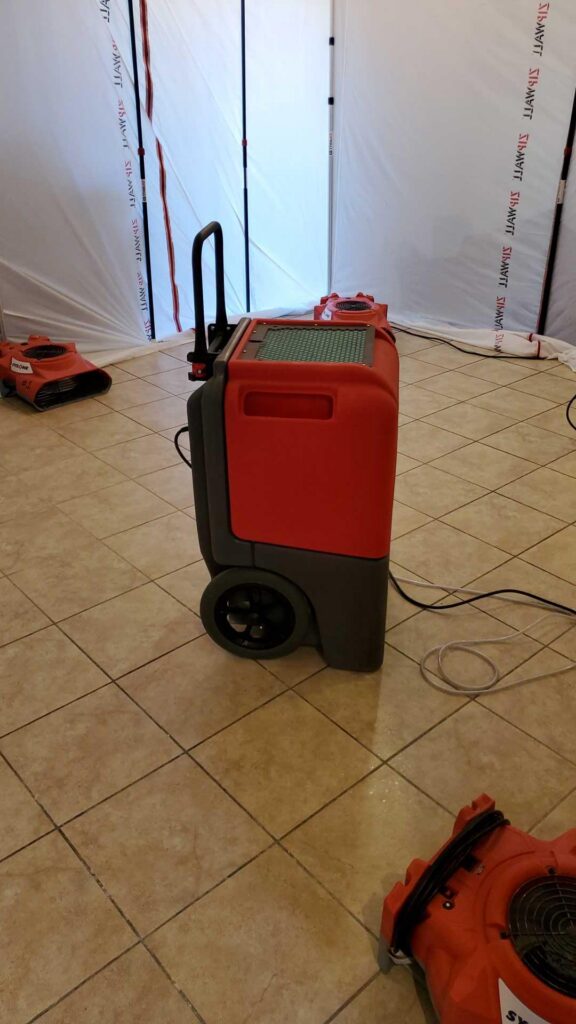
- Drying equipment and monitoring: structural drying and dehumidification, with readings taken until materials are dry.
- Documentation by unit or area: photos, moisture readings and drying records organized so each affected unit is clear.
Coordinating with residents
Mitigation often means entering several occupied units and leaving drying equipment running for a period of time. We work with your team on unit access and on letting residents know what to expect, such as equipment noise and which areas need to stay clear.
Owner vs. association responsibility
Who is responsible for what in a condo or HOA loss depends on the governing documents and the insurance policies involved. We don't determine responsibility or coverage, but our documentation gives owners, managers and adjusters a clear record to work from. Insurance documentation.
First steps for managers when a unit leaks
Stop the source
Shut off the unit valve, the fixture valve or, if needed, the riser or building supply.
Check the units around it
Look at units below and beside the source unit and nearby common areas. Water may not be visible yet.
Call for mitigation
Call (702) 354-5811, 24/7. Let us know how many units may be involved and who the on-site contact is.
Arrange access
Plan access to affected units and notify residents.
Notify the right parties
Owners, the HOA board and insurance carriers as your procedures require.
Mitigation only, so your repair vendors stay your choice
Most property management companies and associations already have contractors for repairs. We don't do reconstruction. We dry the units, document the work and hand off, so your repair vendor knows exactly what was removed and dried.
Available 24/7
Nights, weekends and holidays, for apartment communities, condo associations and multifamily owners across the valley.
Call (702) 354-5811Property management water damage questions
Do you check neighboring units, not just the source unit?
Yes. Water commonly travels through ceilings and shared walls, so we check units and areas around the source for moisture, with access arranged through your team.
Can documentation be separated by unit?
Yes. Where appropriate, we organize photos, moisture readings and drying records by unit or area so each owner, the association and adjusters can see what applies to them.
Who decides who pays for the repairs?
That depends on your governing documents and the insurance policies involved. We don't determine responsibility or coverage; we document the mitigation work.
Related services
Leak affecting multiple units? Call 24/7.
Water damage mitigation for apartments, condos and HOA communities.