Home

Las VegasWater DamageRestoration
in the Las Vegas Valley
Emergency mitigation and dry-out for homes and businesses after leaks, burst pipes, flooding and water intrusion: water extraction, structural drying, moisture monitoring and necessary removal of damaged materials.
Emergency water extraction
- Residential
Water Damage - Commercial
Properties - 24/7
Emergency Service - Insurance
Documentation - Las Vegas
Valley
Water Damage Mitigation Company Serving Las Vegas
Residential & commercial water damage service
Water Damage and Restoration Services, LLC responds to burst pipes, appliance and supply-line leaks, slab leaks, flooding and storm-water intrusion across the Las Vegas Valley. We extract the water, remove wet materials that can’t be dried, set up professional drying equipment and track moisture readings until the structure is dry.
We work with homeowners, businesses, property managers, HOAs and multifamily properties, and we document the mitigation work for your insurance claim. Our focus is mitigation and drying — once the structure is dry, you choose any contractor you like for repairs.
Our Water Damage Services
From the first call to the final moisture reading, our work is focused on one job: getting the water out and the structure dry.
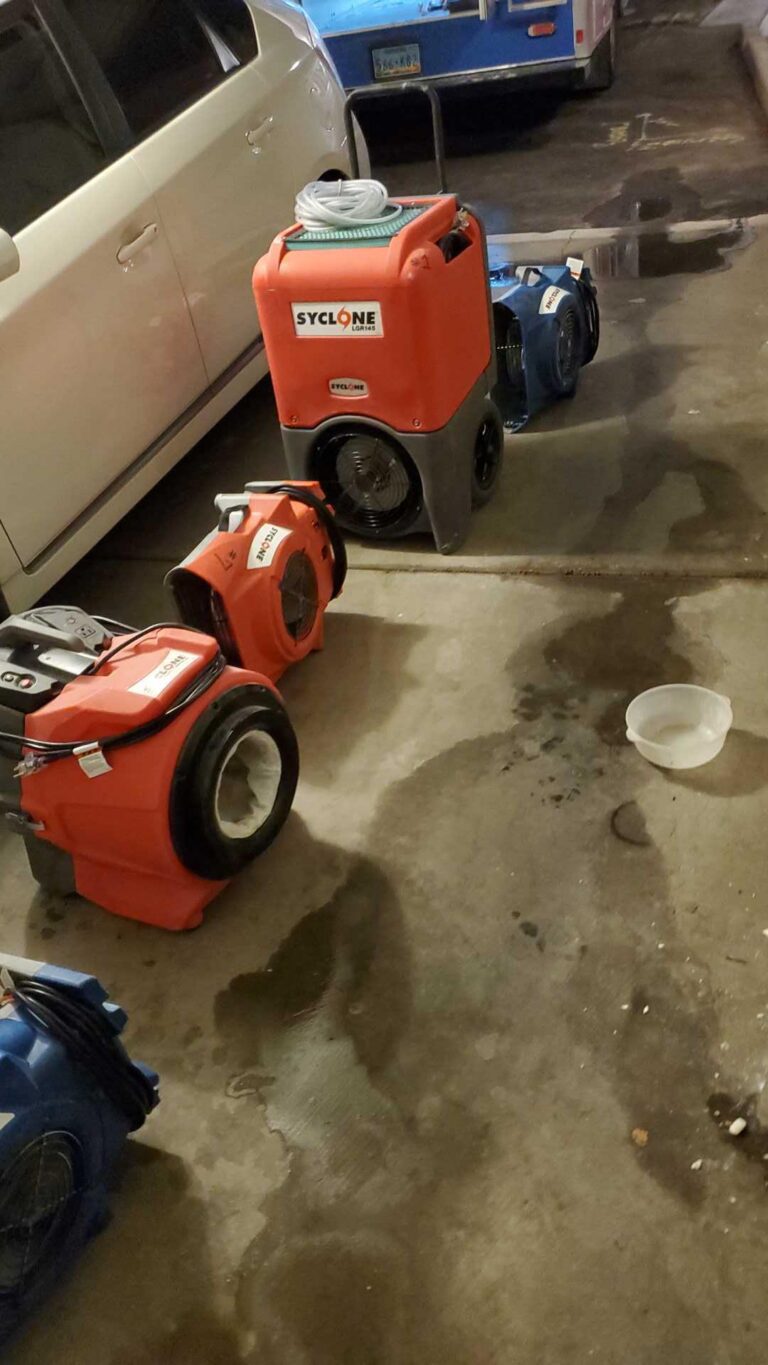
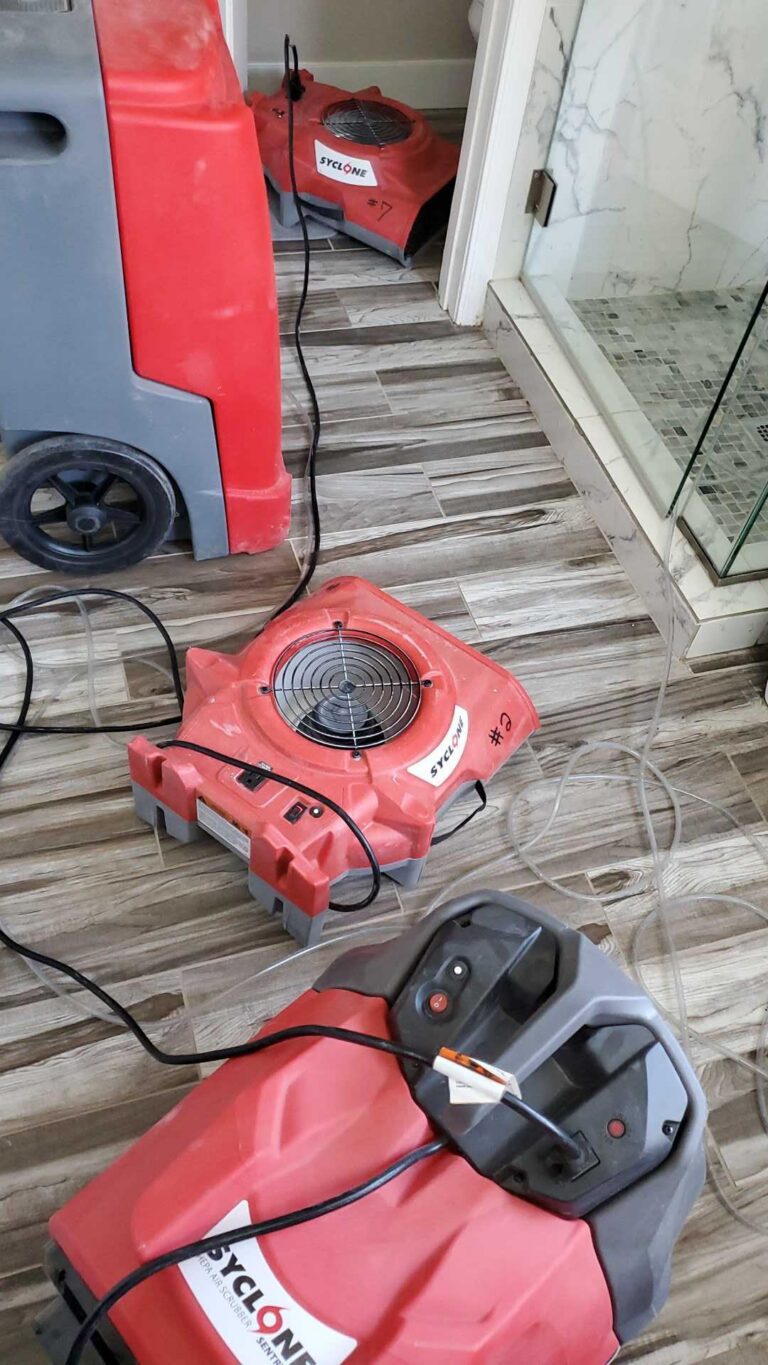
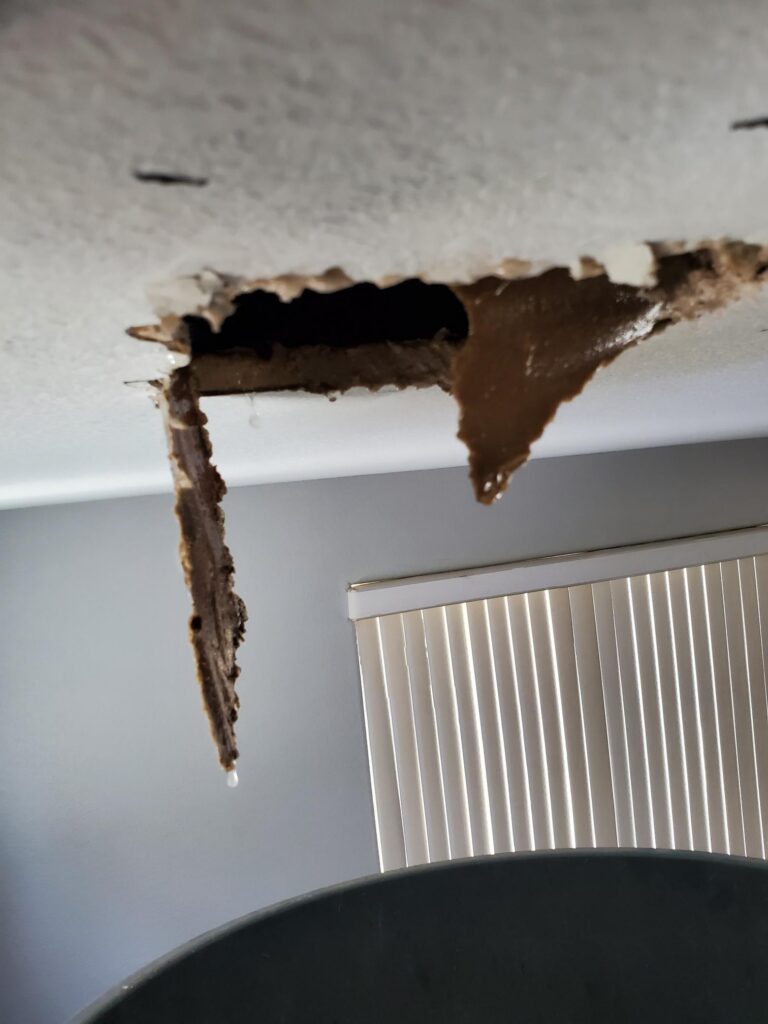
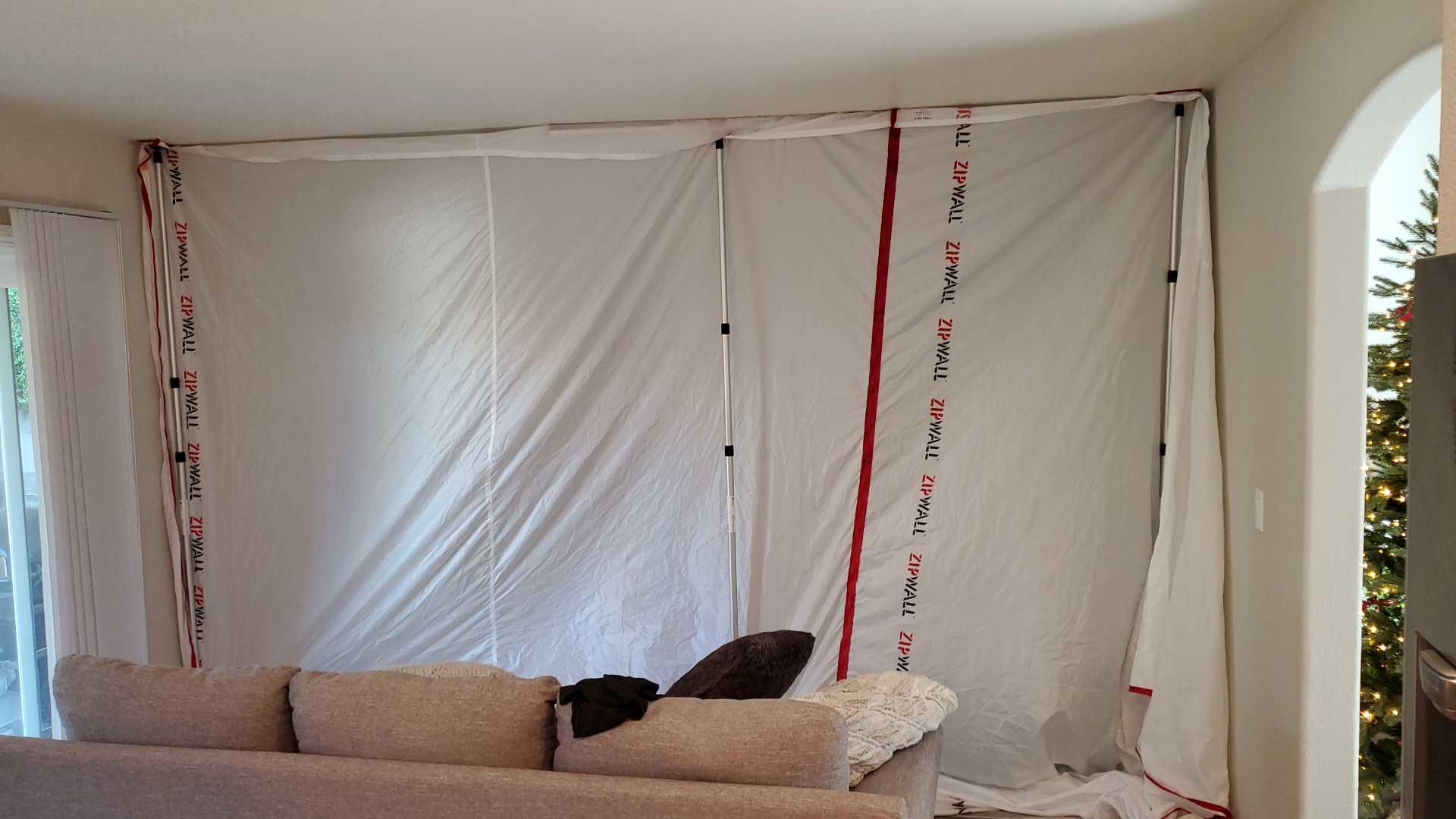
We focus on mitigation and dry-out, not reconstruction
Our job is the urgent part: stopping the damage from spreading and drying the structure properly. We don’t do build-back, so our recommendations are about what your property needs to be dried, nothing more.
What we do
- Water extraction and removal
- Structural drying and dehumidification
- Moisture detection and monitoring
- Controlled demolition of unsalvageable wet materials
- Mitigation documentation for you and your insurer
Once the structure is dry, you’re free to choose any contractor you like for repairs.
Water damage mitigation for Las Vegas businesses and properties
When water hits an office, a retail space or a multi-unit building, you need an organized response and clear communication. We work with property owners, managers and their insurance representatives from the first call.
- 24/7 emergency response for commercial properties
- Water extraction, structural drying and dehumidification
- Moisture monitoring and controlled demolition where needed
- Photo documentation and drying records
- Coordination with property managers, HOAs and adjusters
Common commercial water losses
- Stack or riser leaks affecting several units
- Fire-sprinkler discharge
- Supply-line and plumbing failures
- Water heater failures in offices, suites and units
- Roof leaks and storm water intrusion
- Leaks in offices, retail and strip-center spaces, restaurants, medical offices, apartments and condos
Help for homeowners when water gets where it shouldn’t
A burst pipe at midnight or a water heater that lets go in the garage is stressful. We’ll get the water out, find where the moisture has spread and set up drying so the damage doesn’t get worse.
- Emergency extraction for homes, condos and townhomes
- Moisture checks behind walls, under floors and in cabinets
- Drying equipment set up and monitored until the structure is dry
- Photos and records you can share with your insurance company
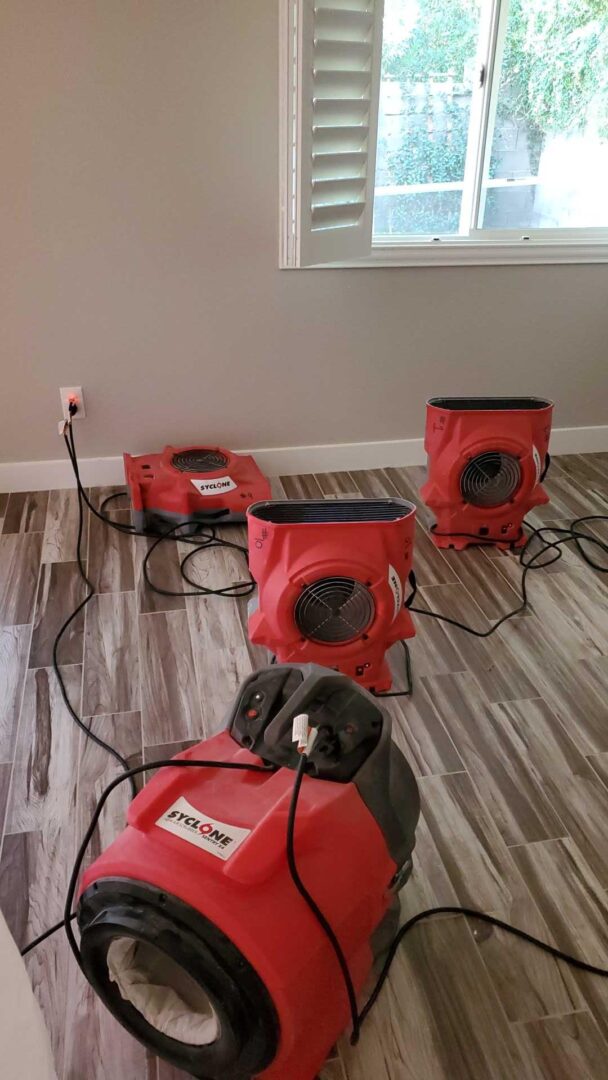
How we dry out water damage
Surface dry doesn’t mean the structure is dry. Water wicks into drywall, framing, subfloors and cabinets, which is why we measure moisture instead of guessing.
- Emergency callCall any time. We get the details and help you stay safe until we arrive.
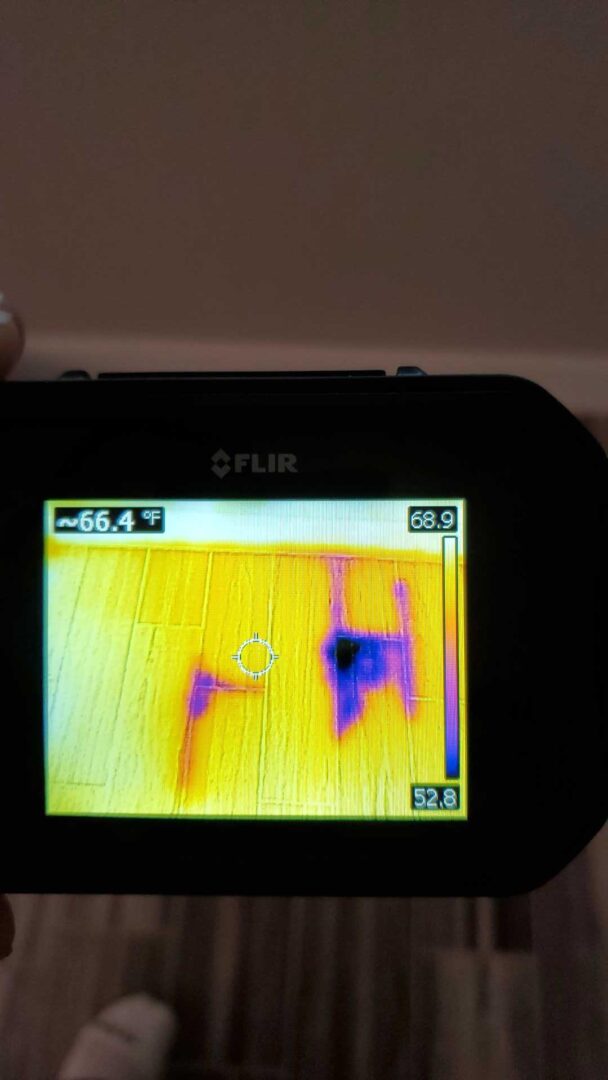
- AssessmentWe inspect the affected and accessible areas and take moisture readings, comparing them with dry areas to map where the water has spread.
- Water extractionStanding water is removed from floors, carpet and other surfaces.
- Material removalUnsalvageable wet materials are removed, with controlled demolition where needed.
- Drying setupAir movers and dehumidifiers are placed to create proper drying conditions.
- MonitoringWe take moisture readings and adjust equipment as drying progresses.
- CompletionEquipment comes out when readings show the materials are dry.
- DocumentationYou receive photos, readings and a record of the mitigation work.
How a dry-out works
What happens after the water is gone
Removing standing water is the first step, not the last. Here’s what the rest of a mitigation job involves and why.
Extraction is only the beginning
Extraction removes standing water, but water also soaks into carpet pad, drywall, baseboards, cabinets and framing, and it raises the humidity indoors. Those materials keep holding moisture after the floor looks dry, so structural drying and monitoring follow extraction.
Readings guide the plan
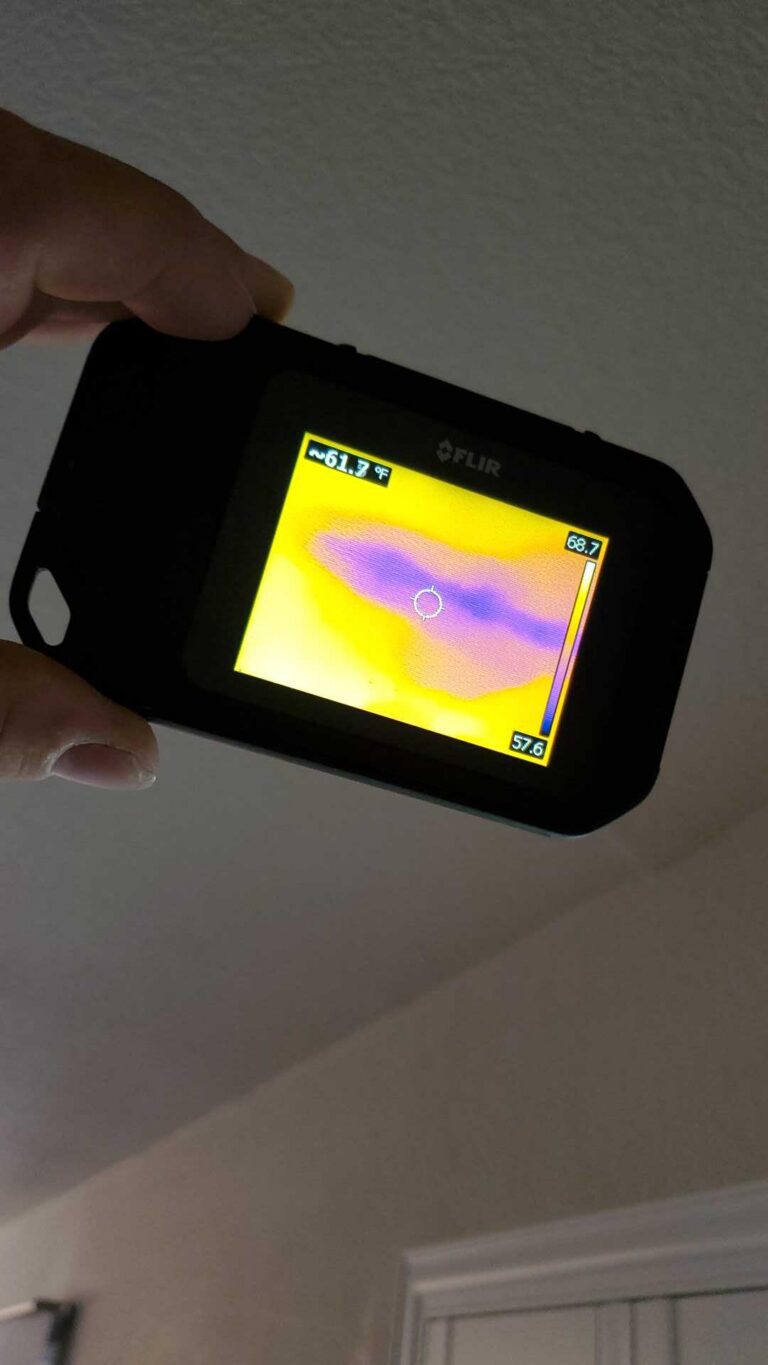
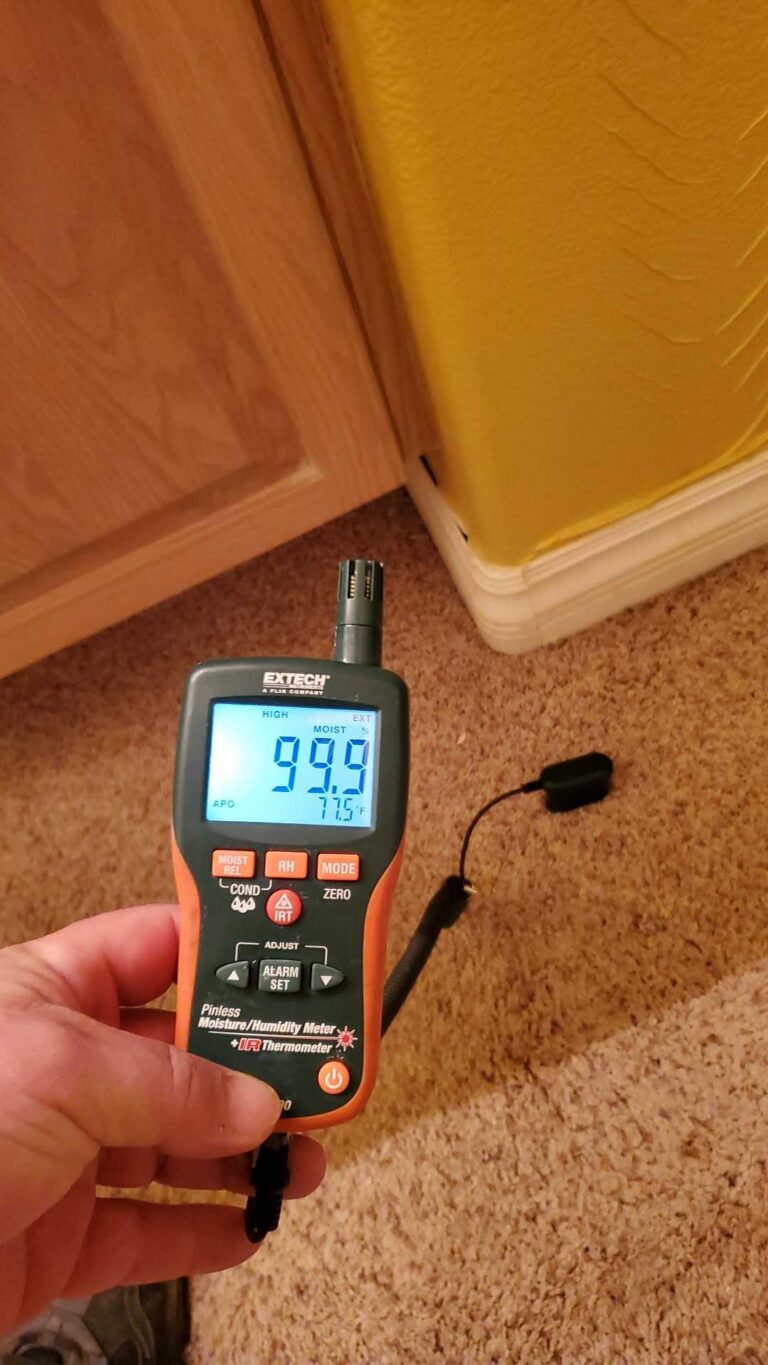
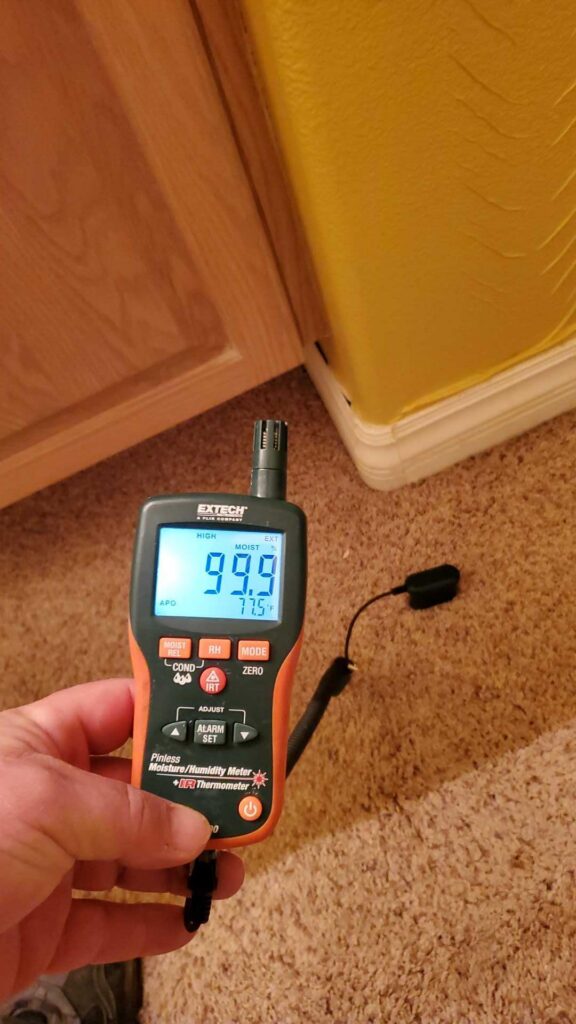
We take moisture-meter readings in the affected materials and compare them with readings from dry areas of the same material. The readings — not how a wall looks — guide where equipment goes and what needs to be opened. A thermal camera can point to areas worth checking, but a thermal image alone doesn’t confirm moisture; we confirm with a meter. We assess the affected areas we can reach, and some hidden spaces have to be opened to check them.
Dry in place or remove
Some materials can be dried in place with airflow and dehumidification when readings show they’re responding. Others need to come out: materials that are saturated beyond practical drying, damaged (swollen, crumbling or delaminating), soaked carpet pad, materials touched by outside flood water, or wall cavities that can’t dry unless they’re opened. We remove only what’s needed to dry the structure.
Monitoring and completion
During the job we retake readings, check the equipment and move or adjust it as areas dry. Drying is complete when the readings in the affected materials match the dry reference readings — not after a set number of days. Then the equipment comes out.
The documentation you receive
Photos of the affected areas and the work, moisture readings, drying records and a scope of the mitigation work performed, including the materials removed. With your OK, we share them with your insurance representative, property manager or HOA. Your insurer decides coverage under your policy.
After mitigation: repairs
We don’t do reconstruction or build-back. Once the structure is dry, you choose any contractor for drywall, cabinets, flooring and paint. Our records show the repair contractor what was removed and that the materials reached dry readings before they start.
Clear documentation for insured water losses
We work with homeowners, commercial clients, property managers and insurance representatives on water-damage claims. We don’t decide coverage, but we give you and your adjuster a clear record of the mitigation work.
- Project photos of the affected areas
- Moisture readings and drying records
- A scope of the mitigation work performed
- Communication with insurance representatives
Coverage decisions are made by your insurance company under your policy. Adjusters and insurance professionals are welcome to call us directly.
Insurance & documentationExample from our work
Removing wet materials so a home can dry
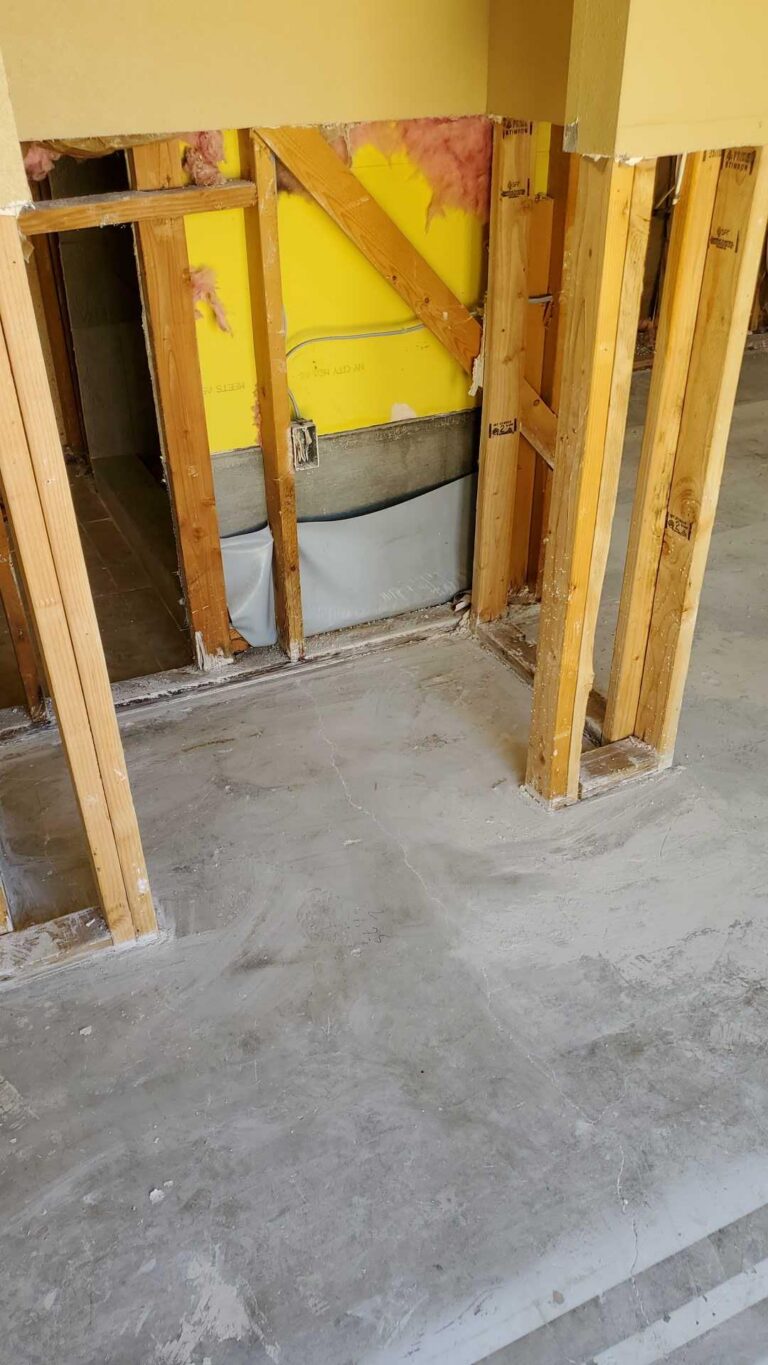
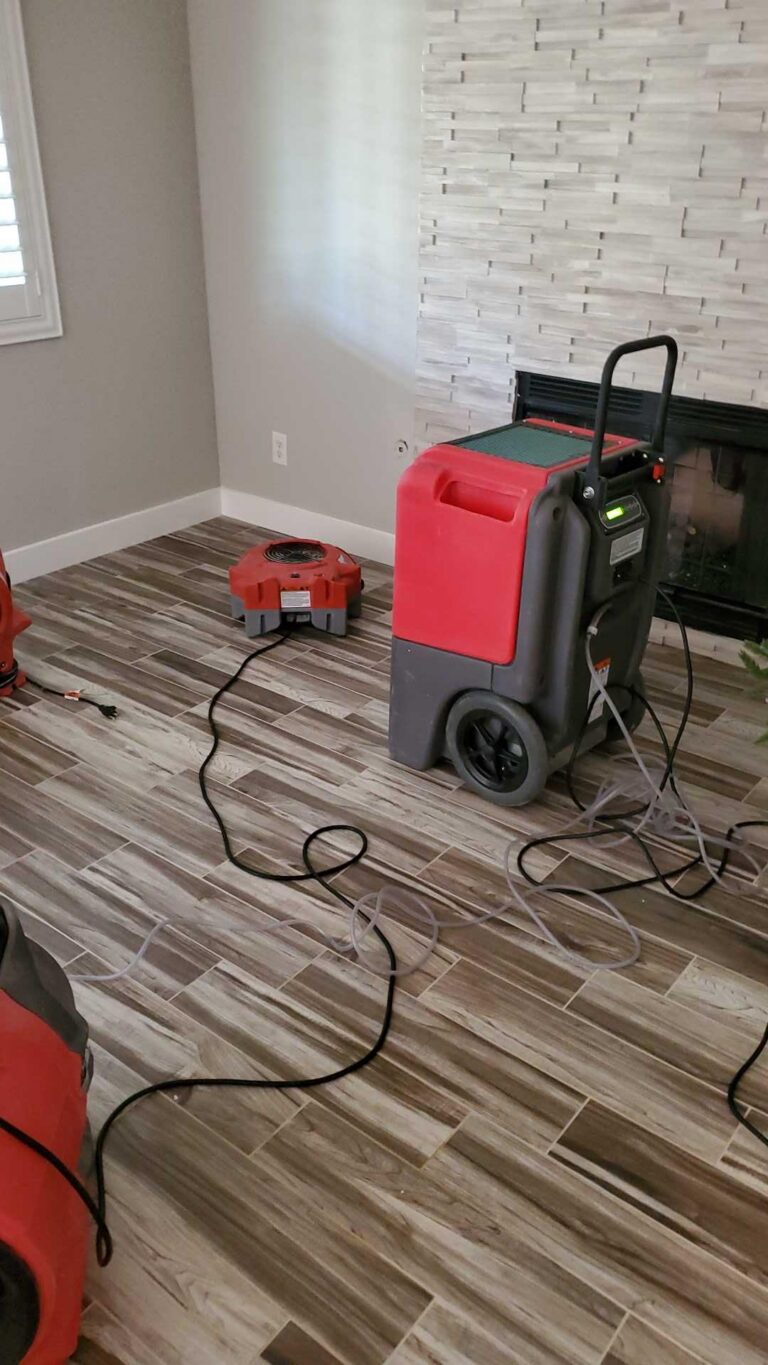
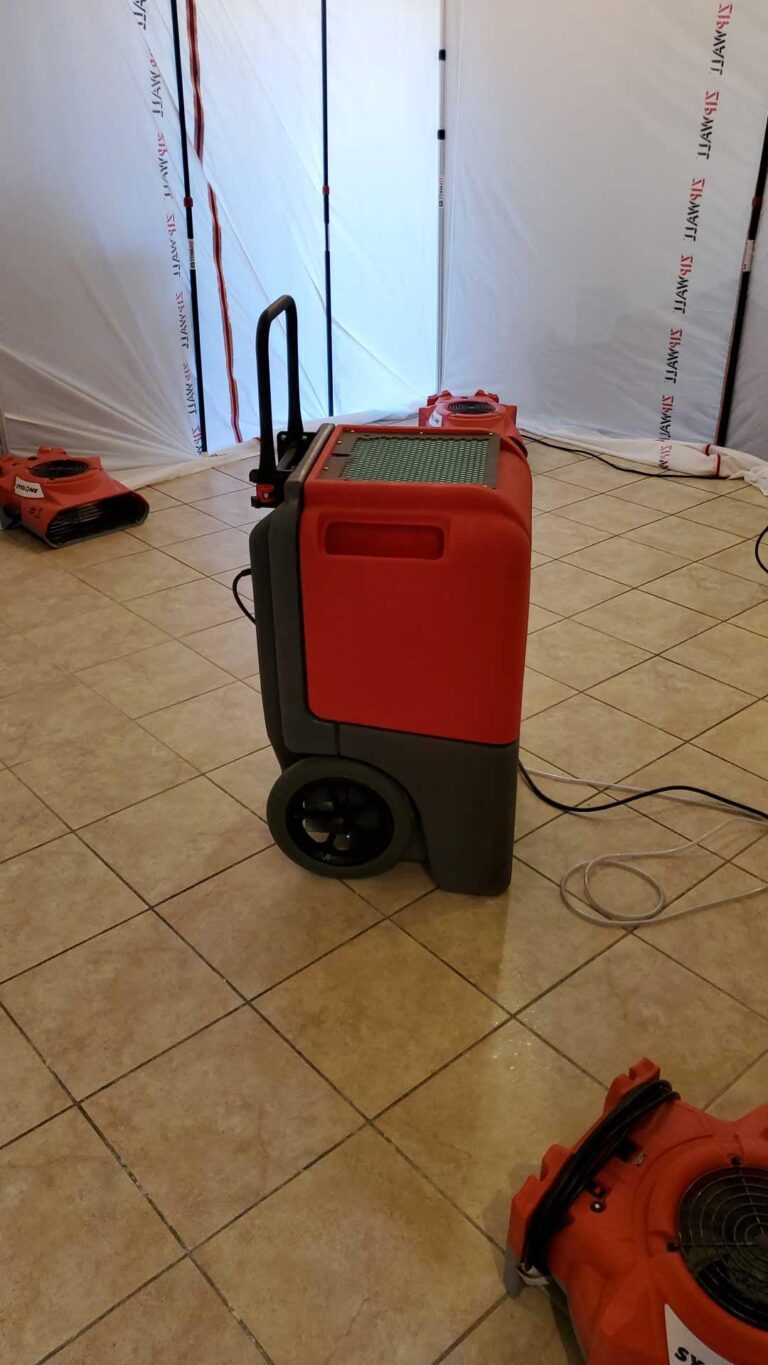
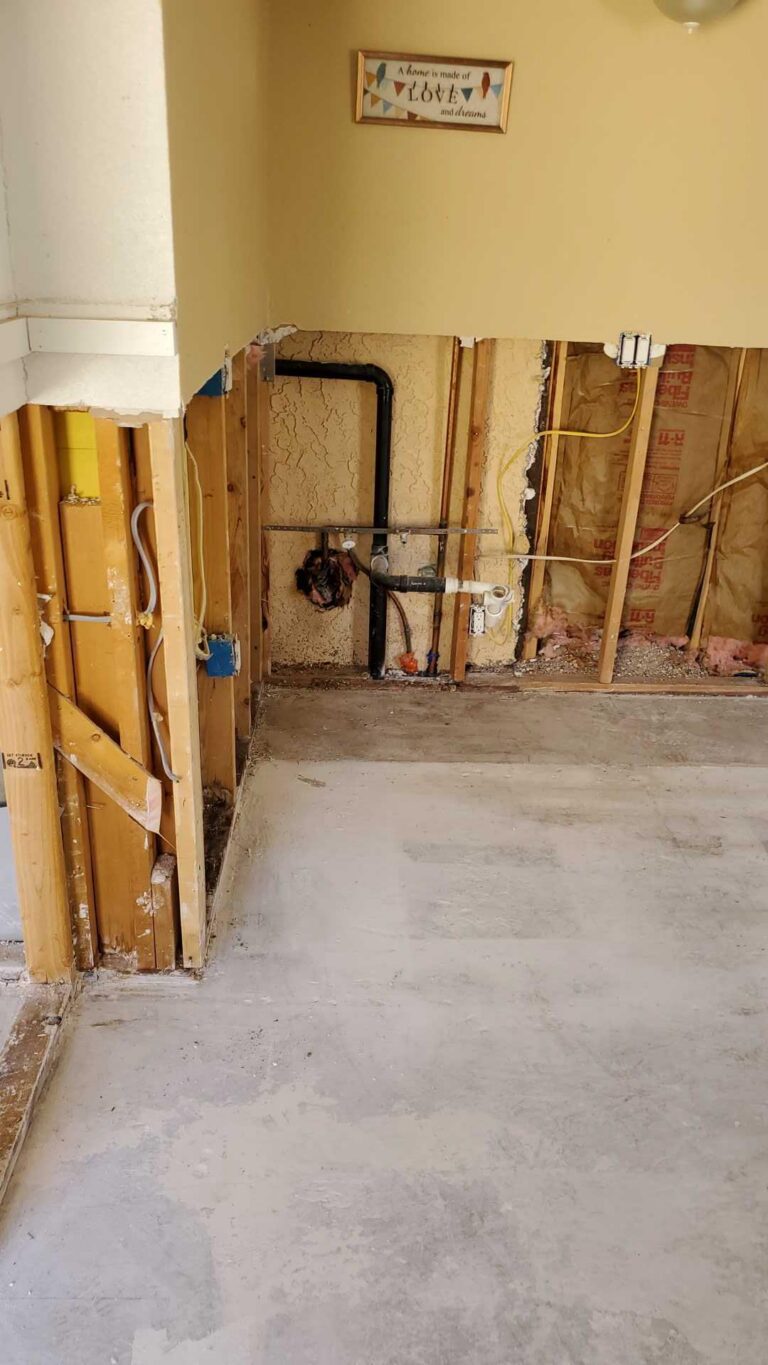
These photos are from one of our residential water-damage mitigation jobs. They show the removal stage: lower drywall cut out to expose the framing in the living room, kitchen and bathroom, flooring taken up to the concrete slab, lower kitchen cabinets removed, and air movers set up to dry the exposed structure. We don’t do the repairs that follow; those are handled by a contractor the owner chooses.
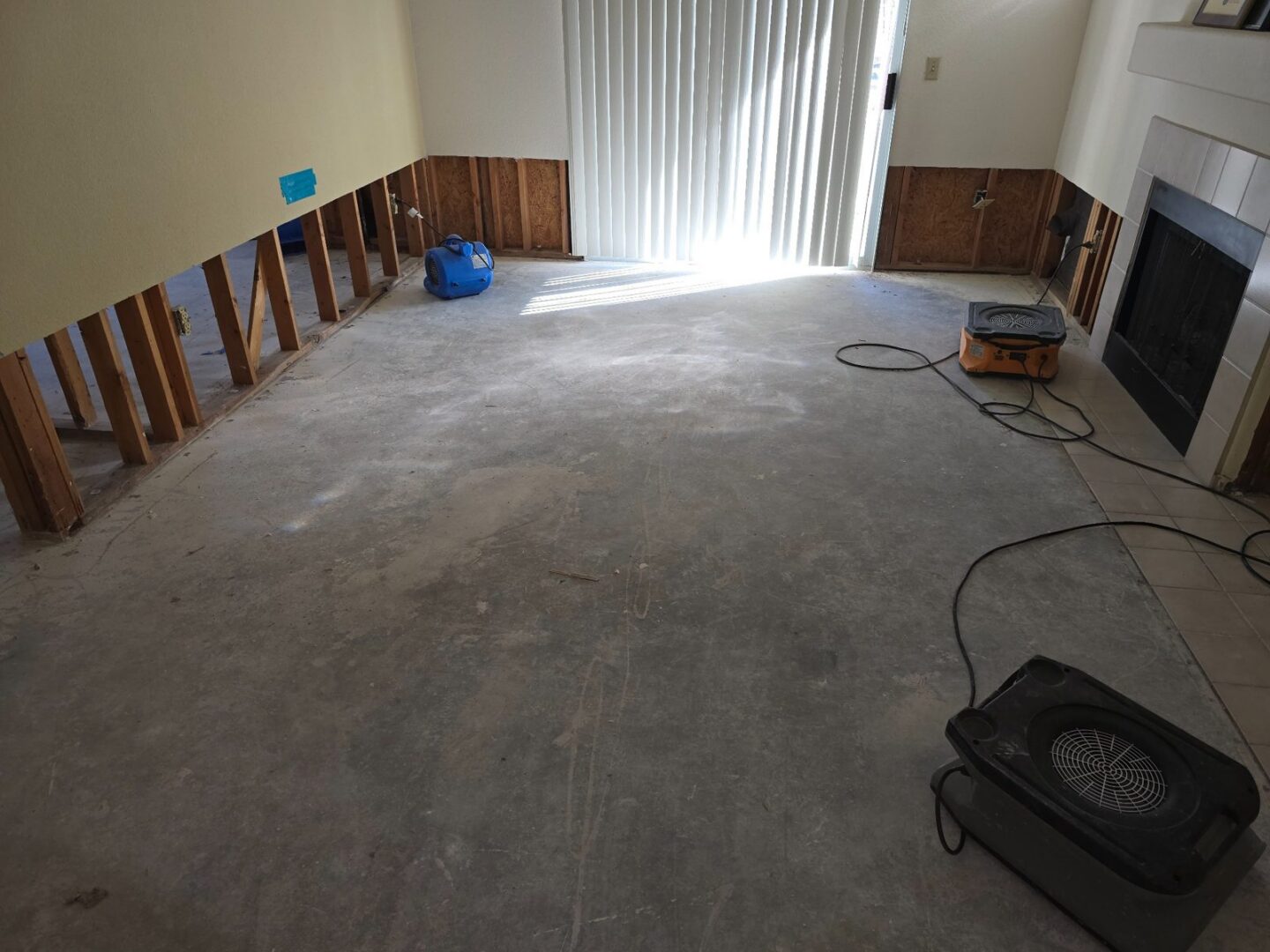
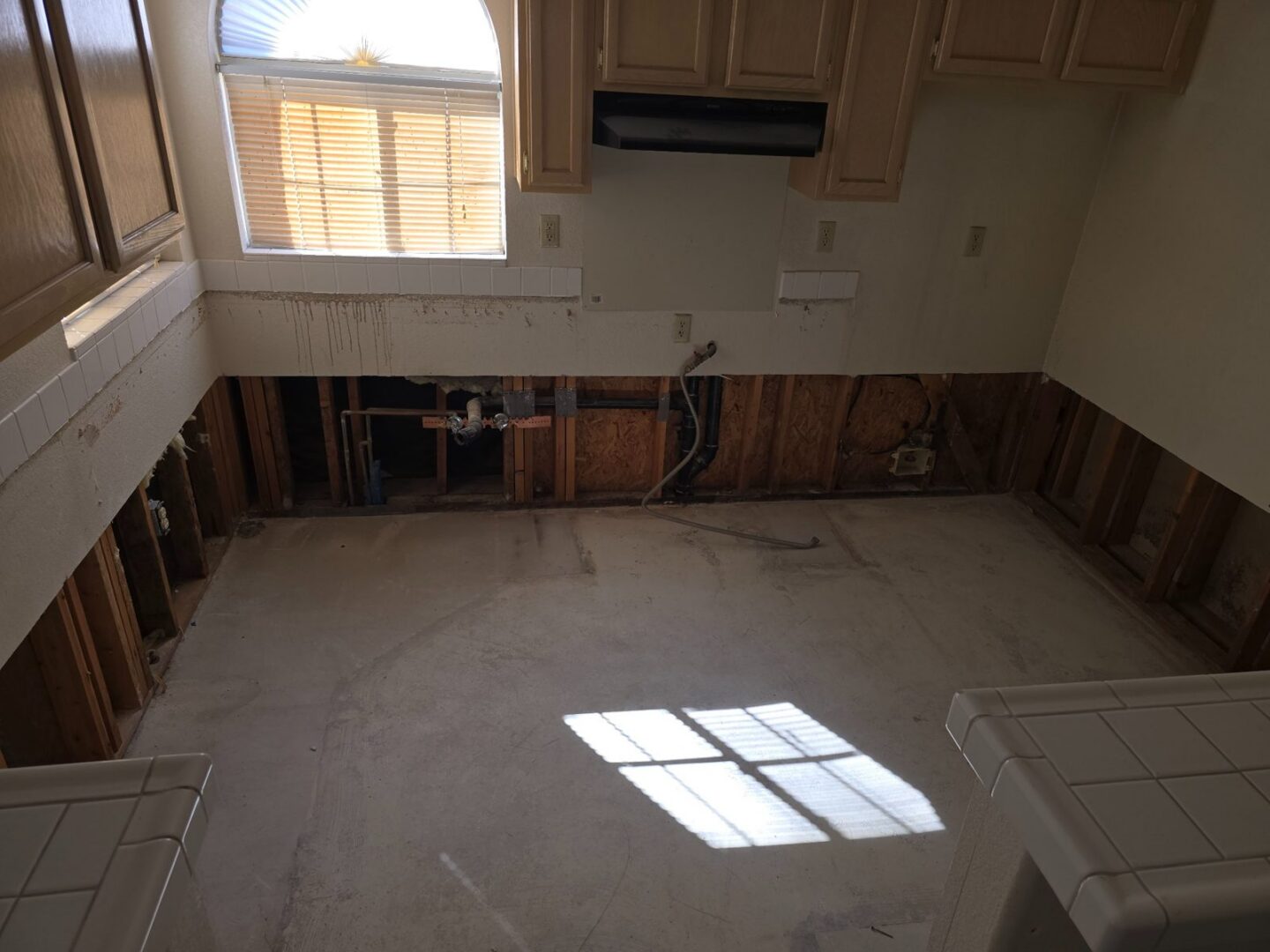
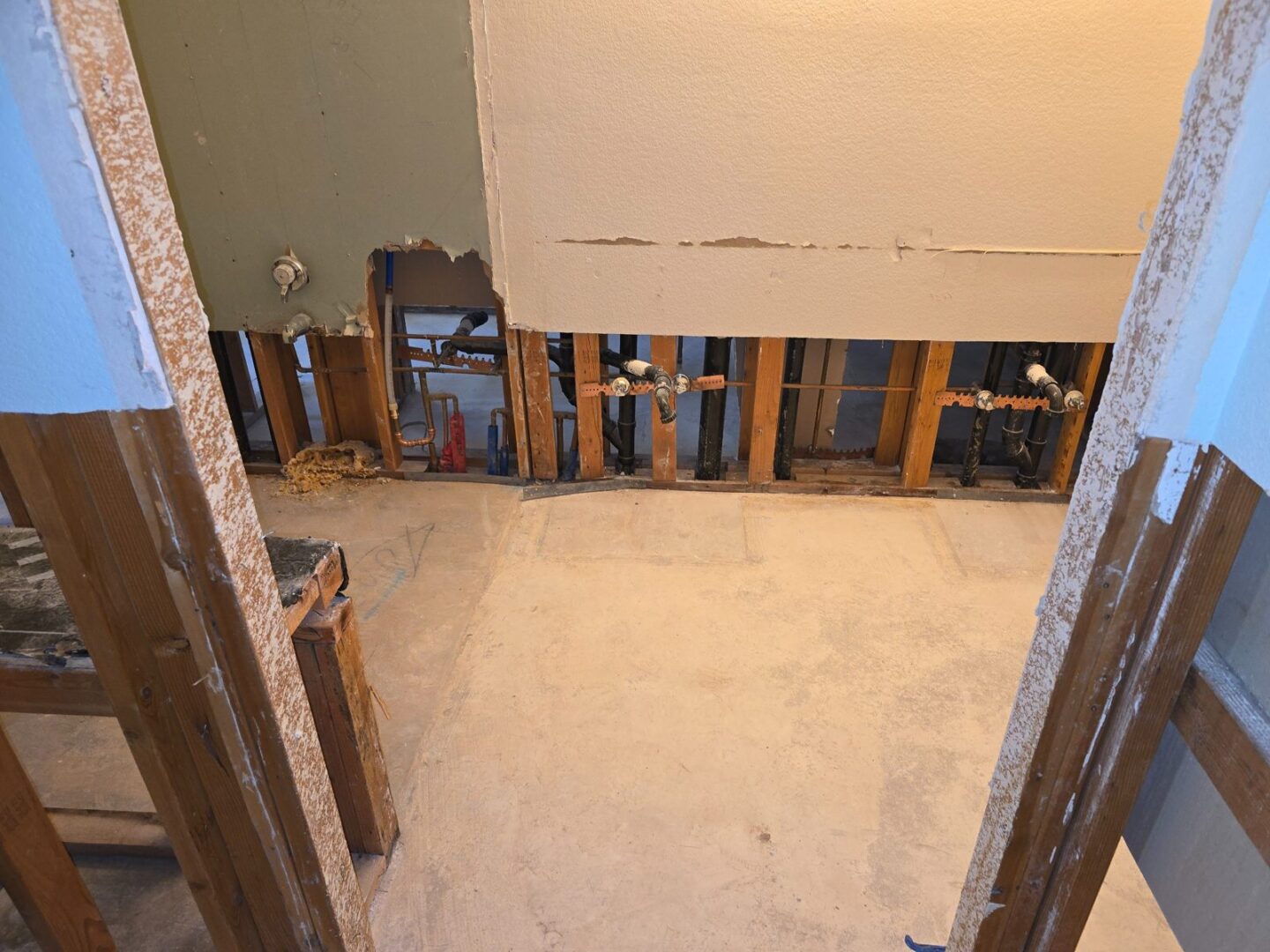
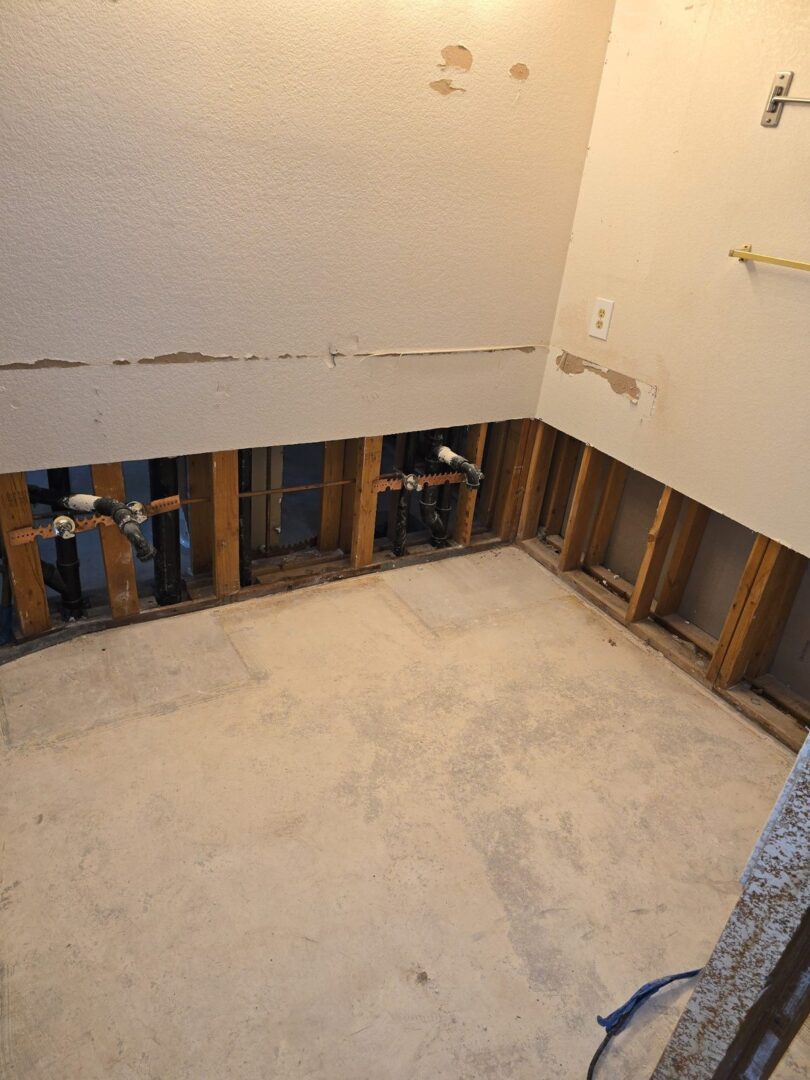
Photos show visible work only; they don’t indicate the cause of the loss, the drying time or any insurance outcome.
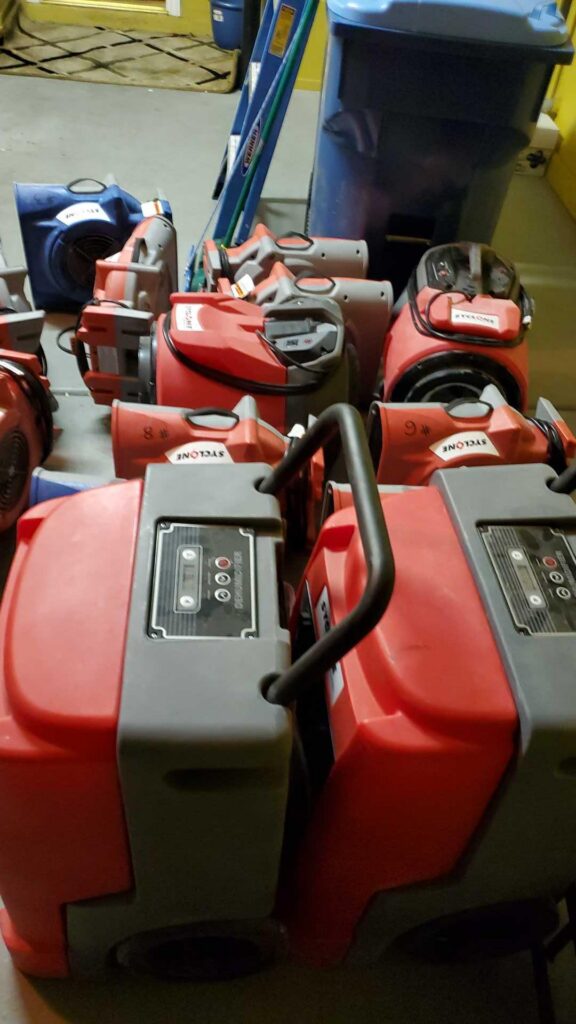
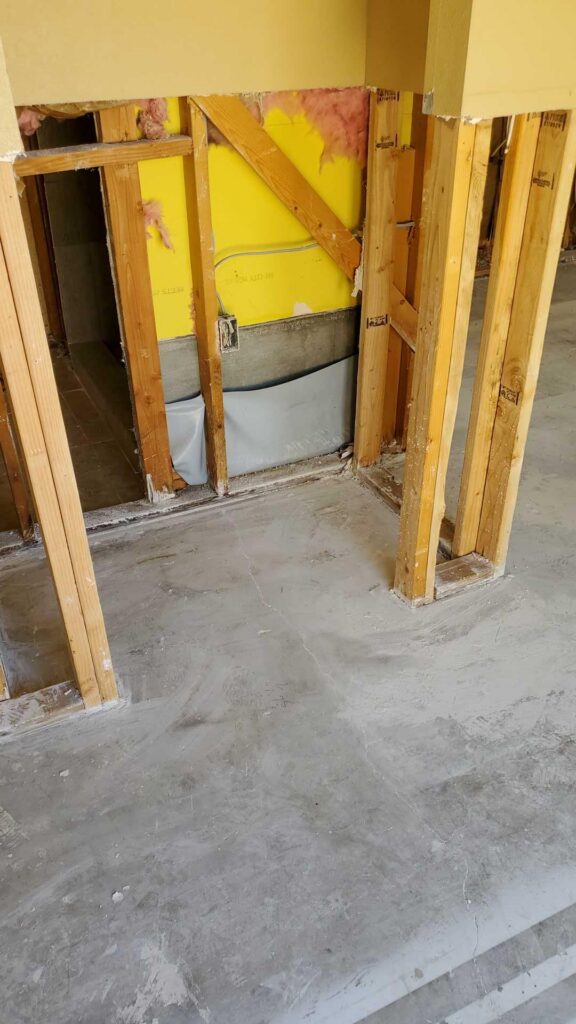
Real equipment, real water-damage work
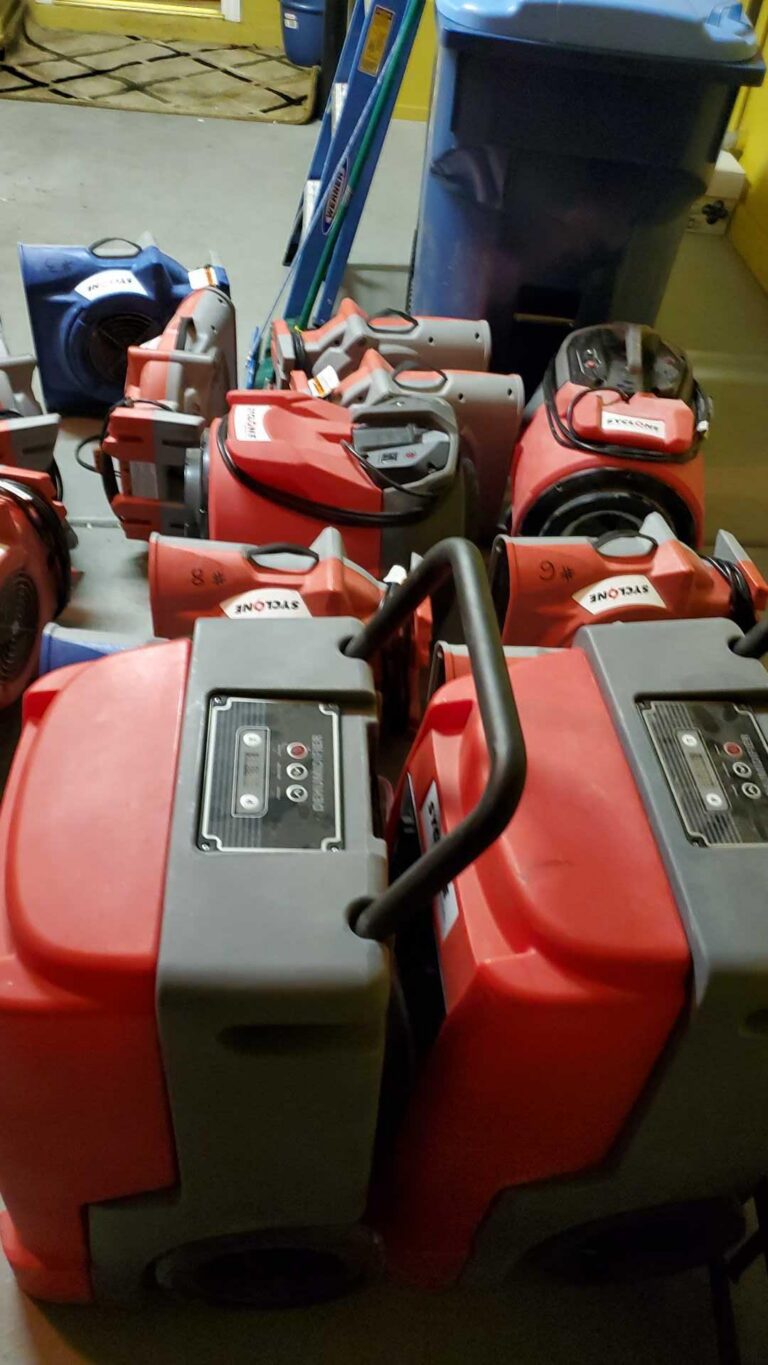
Drying equipment, containment and moisture detection on water-damage jobs.
Common causes of water damage in Las Vegas
Desert homes and buildings have their own weak spots. These are some of the most common sources of the water losses we dry out.
Serving the Las Vegas Valley
We provide 24/7 emergency water damage service for homes and businesses across the valley, including:
Water damage questions
What should I do right after I find water damage?
If it’s safe, stop the water at the source or shut off the main water valve. Keep people away from areas where water may have reached outlets or electrical equipment. Move valuables out of the wet area, take photos for your records, and call us at (702) 354-5811. The sooner extraction and drying start, the less the water can spread.
What information should I have ready when I call?
The property address and the best number to reach you; where the water came from and whether it has been stopped; which rooms or floors are affected and roughly how long the water was there; whether it’s a home, rental, business or HOA common area; and who can give us access. If you’ve already opened an insurance claim, have the company name and claim number handy — you don’t need a claim to call us.
How long does a water-damage dry-out take?
It depends on what got wet and how much: the types of materials (drywall, wood framing, concrete, cabinets), how far the water spread, how long it sat, whether wet materials had to be removed, access to the affected areas and conditions inside the building. We track progress with moisture readings and finish when the readings show the materials are dry, so we can’t promise a set number of days. We’ll keep you updated as the readings come in.
What’s the difference between water mitigation and restoration?
Mitigation is the emergency work that stops the damage from getting worse: extracting water, removing unsalvageable materials, and drying the structure. Reconstruction (replacing drywall, flooring, paint and so on) comes after. We specialize in mitigation and dry-out and do not perform build-back.
Do you replace drywall and flooring after drying?
No. We don’t provide reconstruction or build-back. Our work ends when the structure is dry and the mitigation is documented. You can hire any repair contractor you choose for drywall, cabinets, flooring and paint, and we can provide our drying records to them.
Why do you remove drywall or baseboards?
Water often gets trapped behind walls and under baseboards where air can’t reach it. When materials can’t be dried in place or are too damaged to save, we remove them in a controlled way so the structure behind them can dry properly.
How do you know when everything is dry?
We use moisture meters to take readings in the affected materials and compare them against dry, unaffected areas. Drying continues until the readings show the materials are dry. How long that takes depends on the materials, how much water was involved and how long it sat.
Do you work with insurance companies?
Yes. We can document the mitigation work with photos, moisture readings and drying records, and we communicate with insurance representatives when needed. Your insurance company decides coverage based on your policy, so we recommend contacting your insurer about your claim.
Can you coordinate access with my property manager or HOA?
Yes. For rentals, condos, multifamily buildings and commercial properties, we coordinate access, timing and shared-area work with the owner, tenant, property manager or HOA, and we share our documentation with them when you ask us to.
Do you handle commercial water damage?
Yes. We provide water-damage mitigation for commercial properties including offices, retail spaces, multi-unit buildings and HOA communities, and we coordinate with property managers and their insurance representatives.
Water damage? Call us now, day or night.
24/7 emergency water damage service for homes and businesses across the Las Vegas Valley.
Water Damage and Restoration Services, LLC · 100 S Jones Blvd, Las Vegas, NV 89107