The First 24 Hours: Your Step-by-Step Emergency Protocol for Las Vegas Water Damage
Water can enter your home without warning. A burst pipe, roof leak, or appliance failure can flood rooms within minutes. In Las Vegas, where sudden storms also strike, water damage can spread faster than most homeowners expect. Acting quickly is the only way to reduce loss and protect your property.
Many people wait to see if the water will dry on its own. That delay allows moisture to soak into floors, drywall, and furniture. Within hours, mold can start forming, and structural materials may begin to weaken. The longer you wait, the more damage grows, and the cost of repair increases.
This guide gives you a clear, step-by-step plan for the first 24 hours after water damage. You will learn what to do, when to call for help, and how to prevent further loss. Every action counts, and by following this simple plan, you can protect your home and restore it faster.
Understanding the First 24 Hours
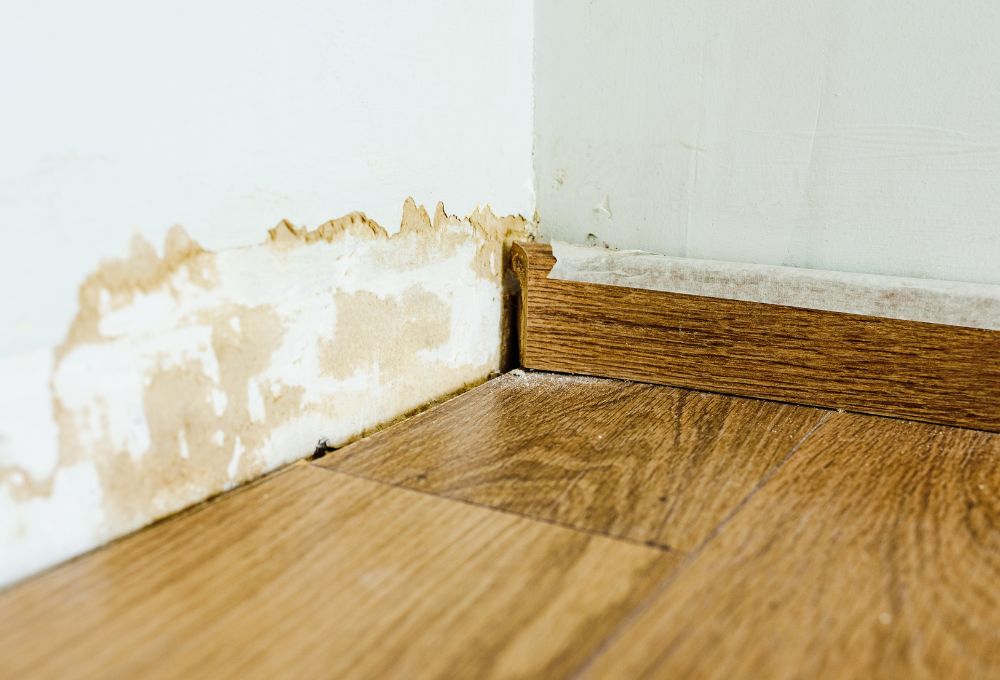
When water enters your home, the clock starts ticking. Each hour that passes allows more damage to spread. The first day is the most critical time for controlling the impact. Quick action can save walls, floors, and furniture from permanent loss.
In the first few hours, water begins seeping into everything it touches. Drywall absorbs moisture like a sponge. Wood starts to swell and warp. Even clean water can turn harmful as bacteria and mold begin to grow. This is why immediate response matters most after a flood or leak.
Professional help during these early stages can make a huge difference. Experts know how to inspect the damage, find hidden moisture, and start the drying process safely. Their tools and experience help stop damage before it spreads. You can explore how full restoration works on our services page to learn more about the process and options available.
24-Hour Emergency Action Plan
When water damage strikes, knowing what to do next can save time and money. The first few steps you take are vital for safety and damage control. Follow this plan to protect your home and begin recovery the right way.
Step 1: Ensure Safety First
Before you do anything, make sure everyone is safe. Turn off electricity in affected areas and avoid standing water near outlets. If the damage involves sewage or contaminated water, leave the area until it is inspected. Safety always comes first in any emergency.
Step 2: Stop the Source of Water
Once you are safe, locate the source of water and stop it if possible. Shut off the main water valve or the supply line to an appliance. If the source is unclear or still leaking, call for emergency plumbing support. Every minute counts when you are stopping water at its source.
Step 3: Document the Damage
Take photos and short videos of every affected area. Capture walls, floors, ceilings, and damaged belongings. These records help with insurance claims and show the full scope of loss. The more proof you collect now, the smoother your claim process will be later.
Step 4: Call for Professional Help
Once you have secured the area, call for expert assistance. Restoration professionals respond fast to prevent mold and structural issues. If you are in Las Vegas, reach out for emergency services. Trained teams can extract water, dry your property, and guide you through insurance steps.
After the first actions are complete, the cleanup and restoration process begins. This stage is where professionals step in with specialized tools and methods to restore your home. Let’s look at how that process unfolds and what to expect next.
Professional Cleanup and Restoration Process
Once your home is safe and the water source is under control, restoration experts take charge. Their goal is to remove all traces of moisture and return your property to its original condition. Professional cleanup not only saves your home but also prevents long-term health and structural issues.
Inspection and Assessment
The restoration team begins by inspecting every affected area. They check how far the water has spread and measure moisture levels inside walls, floors, and ceilings. This step helps them plan the right cleanup method and equipment. Accurate assessment is key to full recovery.
Water Extraction and Drying
Next comes water removal. High-powered pumps and vacuums extract standing water quickly. Once the visible water is gone, drying machines and dehumidifiers remove hidden moisture. This process stops mold before it grows and helps materials return to their normal state.
Cleaning and Sanitizing
After drying, professionals clean and sanitize all surfaces. This removes dirt, bacteria, and odors that water often leaves behind. Special disinfectants make the home safe again. Even if water looked clean at first, sanitation is always necessary for complete restoration.
Repairs and Full Restoration
The final step restores your home to how it was before the damage. Repairs can include replacing drywall, flooring, or insulation. Skilled technicians handle both minor fixes and large rebuilds. Learn more about what this includes on our services page.
When cleanup ends, the focus shifts to prevention. Knowing how to reduce future risks can protect your home and give you peace of mind. Let’s move into simple steps you can follow to keep water damage from returning.
Quick Prevention Checklist
Once your home is dry and repaired, prevention becomes your best protection. A few small habits can save you from major damage in the future. These simple checks take little time but can make a big difference in keeping your property safe.
Before we start, remember that prevention is ongoing. Regular home care helps avoid costly surprises. Follow this checklist to stay prepared for the next storm or leak.
Here’s what you can do right now:
- Check pipes, faucets, and water lines often for small leaks.
- Clean gutters and downspouts to keep rainwater flowing away.
- Inspect the roof for loose shingles or cracks after every storm.
- Test sump pumps or drainage systems before the rainy season.
- Seal gaps around doors, windows, and foundations.
- Keep an updated list of emergency numbers, including water cleanup professionals.
- Review your home insurance policy once a year to confirm coverage.
Each of these actions adds a layer of protection to your home. A few minutes of maintenance can prevent thousands of dollars in damage later. Staying proactive ensures your property stays safe and dry all year.
Now that you know how to prevent future problems, let’s wrap up with a final reminder about acting fast and how to reach the experts when you need them most.
Restore Your Home and Peace of Mind Today
Water damage can strike when you least expect it. Whether it comes from a sudden storm or a burst pipe, the first 24 hours decide how serious the impact will be. Acting quickly saves not only your home but also your sense of safety. Every hour matters, and a fast response is your strongest defense.
Choosing the right help makes all the difference. Local professionals understand how Las Vegas weather and housing structures affect water damage. Their experience and advanced tools can restore your property faster and more safely. Working with a trusted restoration team ensures your home returns to normal with less stress and expense.
🏡Don’t wait protect your home now! Contact Us for 24/7 Las Vegas water damage help.